

Blog post written by Nöel Estopinal, MA, LPCC — Psychotherapist
Close your eyes for a moment and imagine yourself resting on a soft patch of grass
sunlight gently warming your skin. Notice your chest rise and fall, crisp air filling your lungs, as the rhythm of nature becomes attuned with your breath.
Feel the warmth of the sun settle across your body. Steady, safe, inviting. Notice how your shoulders soften, how your breath deepens, how the pace of your heart begins to slow. Even with your eyes closed, you feel the light. Sunlight resting on your eyelids, bringing awareness into the natural world around you, and to something within.
The sunlight is guiding you fully into the present moment, gently anchoring you in the here and now.

In a place like Boulder, Colorado, the value of sunlight can be something we take for granted. It quietly fills our days, marks the passage of seasons, and warms our skin even on the coldest winter days, yet its impact on our mental health runs far deeper than many realize. Beyond simply “brightening your day,” sunlight plays a powerful biological and emotional role in how we feel, think, sleep, and connect with others.
As burnout and emotional fatigue continue to rise in our modern world, many of us are spending long hours indoors and in front of screens, often wondering why we feel so drained. Reconnecting with sunlight may be a gentle yet powerful way to support our mental health, offering a simple, natural form of care in an increasingly disconnected daily life.

Sunlight and the Brain: The Serotonin Connection
While it’s not recommended to stare deeply into the direct sun, moderate and safe sunlight exposure can promote key neurotransmitter reactions and boost our overall well-being. When sunlight enters your eyes, it triggers a chain reaction in the brain. The retina sends signals to the hypothalamus, a key brain region responsible for regulating sleep, hormones, mood, and appetite. This signal tells your brain that it’s daytime, prompting the production of serotonin. Regular exposure to sunlight, especially in the morning or early afternoon, helps to regulate healthy serotonin production and supports emotional balance in the body.
Serotonin is often called the “feel-good” neurotransmitter, but its role goes beyond happiness.
It helps regulate our mood, emotional stability, calm, focus, and resilience to stress. Sunlight also slows the reabsorption of serotonin in the brain, allowing more of it to remain available. This process is similar to how some antidepressant medications work. In many ways, sunlight supports the brain’s chemistry naturally, helping us feel more grounded, alert, and emotionally steady.

Vitamin D: Letting the Sun Lift Your Mood
Sunlight doesn’t just reach our brain through the eyes; it also works its magic through our skin. Think of the warmth of the sun on your face on a summer day, or the way your bare feet naturally sink into sun‑warmed sand. Perhaps you’ve noticed your favorite four-legged friend dozing contentedly in a sunny patch on the porch.

Allowing sunlight to brush our skin feels instinctive, effortless, and deeply satisfying. It serves as a simple, natural way to lift our mood and reconnect with ourselves.
Aside from just feeling good, there is something deeper going on beneath the surface of our skin when we are exposed to the sun.
When sunlight hits your skin, it triggers a chemical reaction involving 7-dehydrocholesterol, which ultimately becomes vitamin D. This vitamin is then converted by the liver and kidneys into a hormone that supports numerous systems throughout the body, including the brain, and serves an important role in our mental health.
Vitamin D also helps produce neuroreceptors in the brain that are involved in mood regulation and emotional processing. Vitamin D supports neuron growth, nerve signaling, and overall healthy brain development. These processes are all related to our cognitive functioning and impact our focus, memory, and ability to process our emotions. Additionally, Vitamin D stimulates serotonin production, which, as we now know, is our “feel-good neurotransmitter,” and supports our emotional well-being

Circadian Rhythm: Sunlight as Your Internal Anchor
Have you ever noticed a wave of anxiety or heaviness when your alarm goes off, and it’s still dark outside? When the sun hasn’t yet risen, the urge to stay curled up in bed can feel almost irresistible. This reaction is more natural than we realize, as our bodies are wired, through our circadian rhythm, to rely on sunlight to signal emotional readiness for the day.
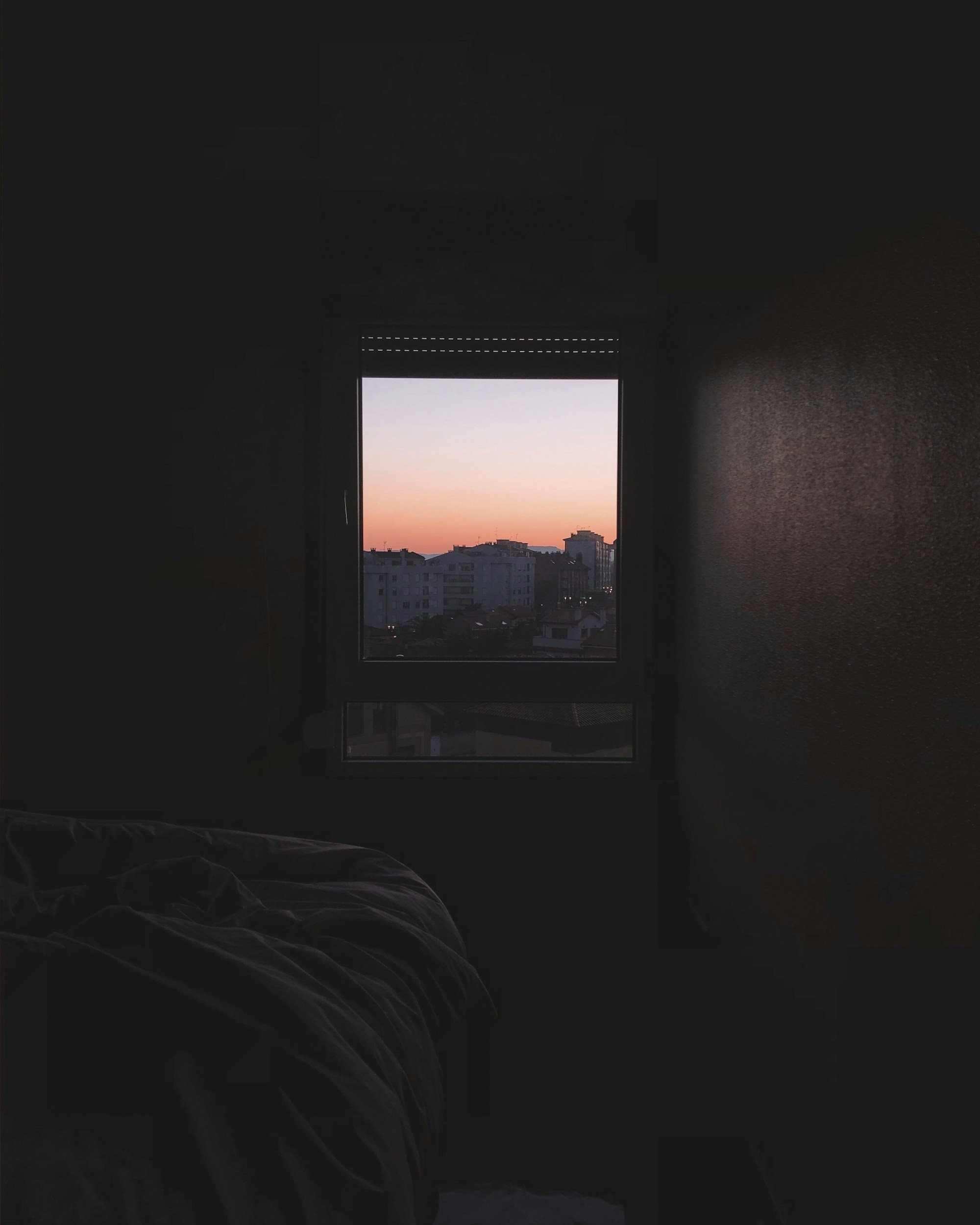
Your circadian rhythm is your body’s internal clock. It has a powerful role in our nervous system and controls when you feel awake or sleepy, how hormones are released, our energy levels, mood regulation, appetite, and even our ability to concentrate.
It sounds pretty significant to our mental health, right? Well, it is! The primary cue that keeps this system running smoothly? You guessed it: sunlight.
When morning light reaches your eyes, it stimulates the suprachiasmatic nucleus, which is the brain’s master clock, triggering the release of cortisol and serotonin. By now, we are experts on the benefits of serotonin, but cortisol is a hormone that helps us feel motivated, alert, and maintain emotional energy throughout our day.

When sunlight exposure is limited, especially in the morning, our circadian rhythm can become disrupted. Everyday factors such as insufficient daylight, long hours indoors, heavy screen use, and irregular sleep schedules all contribute to this imbalance. Over time, these disruptions may lead to low mood, anxiety, irritability, insomnia, brain fog, and burnout.
This is why intentionally making time for sunlight in our daily lives matters. Small, consistent moments of sun exposure can help reduce health and well-being risks and gently support emotional balance and mental clarity. As we attune to our circadian rhythm, we have the ability to foster positive sleep habits, emotional regulation, stress tolerance, and overall mental resilience.
Emotional Stability and Seasonal Mood Changes
During the winter months, days grow shorter, and many of us find ourselves commuting to and from work in darkness. This ongoing lack of sunlight can quietly deepen feelings of sadness and emotional fatigue, and for some individuals, that sadness can evolve into SAD, or Seasonal Affective Disorder.

SAD is a form of depression directly linked to reduced daylight and associated with a disruption to the circadian rhythm. This disorder happens during the winter months when reduced sunlight is especially evident and can increase feelings of persistent low mood, fatigue, and withdrawal. It’s important to note that experiencing SAD is not a reflection of one’s resilience or a personal weakness, but rather a biological response to lack of sunlight and our body’s way of communicating our need for light exposure.
As sunlight increases in spring and summer, many people with SAD naturally experience improved mood, energy, and emotional well-being. This seasonal shift highlights just how closely mental health is tied to sunlight.
A Gentle Reminder…
Working with a trusted therapist alongside taking steps toward finding earth-based support in nature is always what we recommend. Sunlight is not a cure-all and will not instantly heal your trauma, but it is a powerful, accessible, and free support for your mental health. By intentionally reconnecting with natural light, you’re empowering your body and brain rather than working against them. Sometimes, the smallest shifts like stepping outside in between meetings, opening a window at breakfast, pausing to breathe in the sun, can make a meaningful difference.
A little sunshine, it turns out, can really go
a long way.
This blog is meant for psychoeducational purposes only and does not stand in as therapy. If you need support from a licensed professional, please do not hesitate to reach out to us via the link below to schedule an appointment.

Simple Ways to Increase Sunlight Exposure
In a world filled with to-do lists and endless wellness expectations, sun exposure doesn’t need to become another source of stress. Instead, it can be a gentle, restorative habit, one that fits naturally into your day and honors where you are. You don’t need hours of sunshine to feel the benefits; small, consistent moments of light matter far more than duration.
Here are some ideas to get sun soaking:
● Get sunlight within the first 1–2 hours after waking. Even 10–30 minutes outdoors can help reset your internal clock, boost energy, and reduce evening anxiety.
● Go for daily walks, especially in the morning or midday.
● Open blinds and windows to let natural light into your home or workspace.
● Create intentional workplace habits, such as stepping outside during breaks or working near a window if possible.
● Aim for midday sunlight when possible, as this is most effective for vitamin D production.
● Consider light therapy lamps, especially during darker seasons or if outdoor access is limited.
● Take your lunch break outside if accessible
● Catch up or spend intentional time in conversation on a walk with loved ones
● Drink your morning coffee outside in the sun, or sitting in front of an open window

Favorite Places to seek sunlight in Boulder/ Denver

●Chautauqua Park
● Boulder Creek Path
● Boulder Canyon Trail
● Eldorado Canyon State Park
● Flagstaff Mountain
● Foothills Community Park
● Denver Botanic Gardens
● Red Rocks Park
● Sloan’s Lake Park