

Understanding the Dual Process Model of Grief

Grief is often described as a journey, but for many people, it does not feel like a clear path with defined stages. Some days may be filled with sadness, longing, and memories of the person we have lost, while other days involve focusing on work, family, and everyday responsibilities. This emotional back-and-forth can feel confusing, but it is actually a very sacred part of the grieving process.
The Dual Process Model of Grief, developed by grief researchers Margaret Stroebe and Henk Schut, provides a framework that helps explain this experience. Rather than presenting grief as a set of linear stages, this model recognizes grief as a dynamic process where individuals move between confronting their loss and adjusting to life after loss. This perspective helps validate the complexity of grief and encourages individuals to process their emotions while still gradually rebuilding their lives.
The Core Idea of the Dual Process Model

The Dual Process Model posits that healthy grieving involves two primary forms of coping: loss-oriented and restoration-oriented. Instead of progressing through grief in a straight line, individuals naturally shift back and forth between these two processes.
This movement is known as oscillation, and it allows people to process painful emotions while also moving forward in their lives.
According to the model, both forms of coping are essential. Being encompassed in grief can feel natural, emotionally overwhelming, and a form of survival, while disconnecting from grief entirely may stunt emotional healing. Oscillation helps people process this incredible loss while maintaining a sense of self.
Loss-Oriented Coping
Loss-oriented coping involves directly confronting and processing the emotional pain associated with losing a loved one. This form of coping focuses on acknowledging the reality of the loss and allowing space for mourning. Individuals engaging in loss-oriented coping may experience intense emotions such as sadness, longing, anger, or disbelief. These emotional responses are natural and a powerful response to loss.
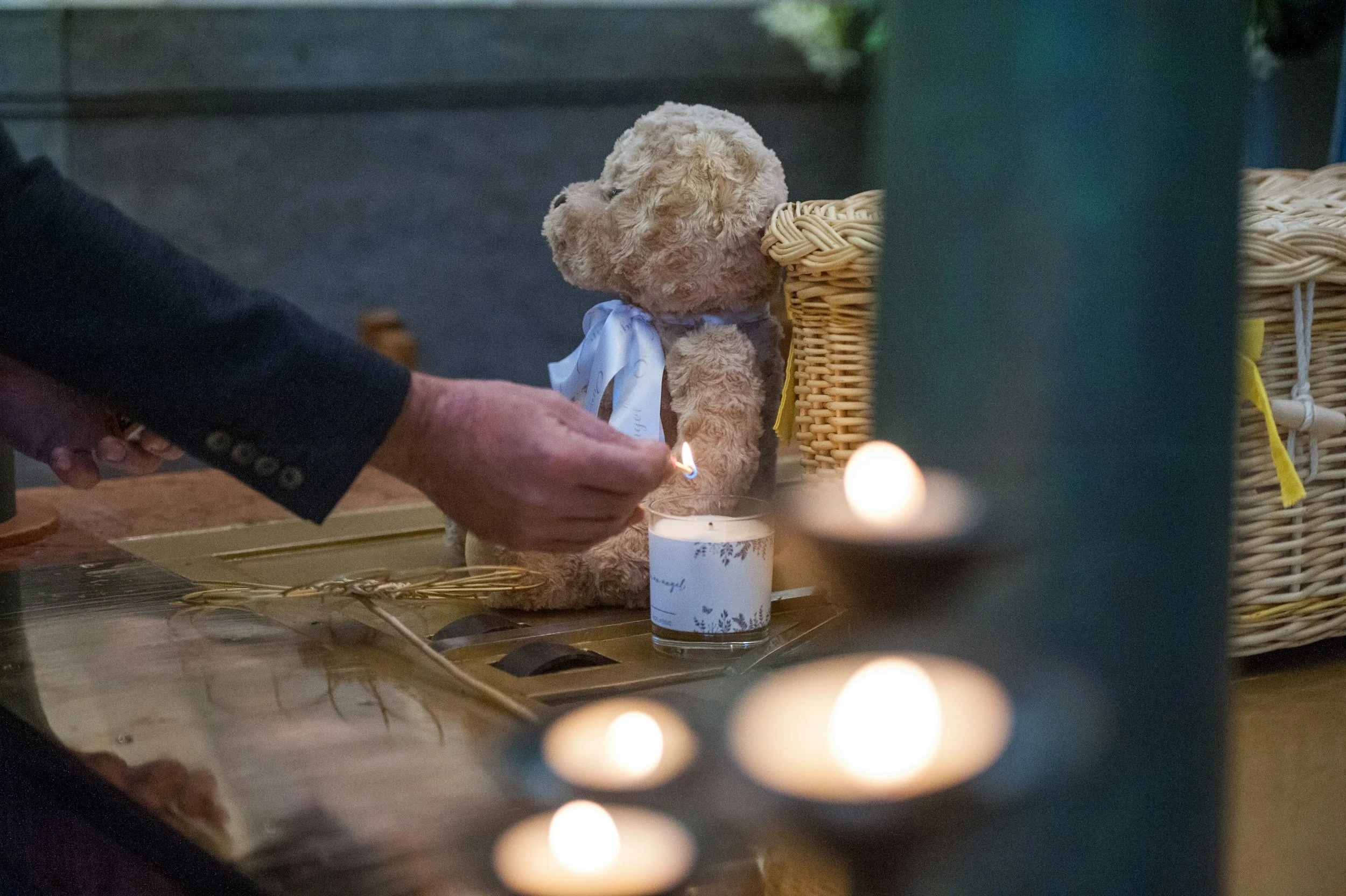
People often engage in loss-oriented coping through activities that allow them to remember and reflect on their loved one. For example, someone might visit their loved ones’ grave, look through old photographs, or listen to music that reminds them of sweet memories. Recounting stories about the person who died with family or friends can also be an important way to keep their memory alive and process all the feelings related to the loss. People often seek spirituality, finding comfort in journaling, prayer, or quiet reflection as they attempt to understand the meaning of the loss. While these experiences can be painful, they help individuals process their grief rather than suppress it.
Restoration-Oriented Coping

Restoration-oriented coping is the second part to this model. Restoration-Oriented Coping focuses on adjusting to life after the loss and rebuilding a sense of normalcy. When we lose an important person in our lives, our lives can feel upside down and our sense of identity can feel inside out. Individuals may need to assume new responsibilities, develop new routines, or learn new skills, in addition to navigating this profound pain. Restoration-oriented coping involves addressing these changes while gradually moving forward with life.
This process often includes completing everyday tasks such as managing finances, maintaining a household, or returning to work. It may also involve reestablishing routines like exercising, cooking meals, or spending time with friends. Some people find it helpful to develop new interests or hobbies, such as volunteering, joining community groups, or learning new skills. These activities can help individuals rebuild a sense of identity and stability after loss, and serve as an important process of the grief model. Importantly, restoration-oriented coping does not mean forgetting the person who died. Instead, it reflects the natural need to continue living while adapting to a new reality.

The Importance of Oscillation

One of the most important aspects of the Dual Process Model is the concept of oscillation between loss-oriented and restoration-oriented coping. Rather than staying in one mode of grieving, people naturally move between confronting their grief and shifting their focus to everyday life.
This shifting process allows individuals to recognize the intensity of grief while still making space to process these emotions and the loss of their loved one while moving forward gradually.
For example, a person might spend part of the day reflecting on memories or feeling sadness about their loved one, which represents loss-oriented coping. Later in the day, they may focus on cooking dinner and being present with family, which reflects restoration-oriented coping. This movement between grief and daily life helps prevent emotional exhaustion while supporting long-term healing. The model emphasizes that both experiences are normal and necessary parts of the grieving process.

Practical Examples of Coping With Loss

The Dual Process Model offers several practical ways individuals can incorporate both types of coping into their lives. One helpful strategy is intentionally creating space for grief. Setting aside time to journal about memories, talk with a friend, or visit meaningful places can feel restorative and empowering, while still making space for those heavy emotions. At the same time, maintaining daily routines can help restore a sense of structure and stability. Simple habits such as waking up at consistent times, going for daily walks, or preparing meals can help individuals feel grounded when experiencing grief or overwhelm.

Another helpful strategy is alternating between emotional and practical activities. For example, someone might spend the morning in bed crying, reflecting on memories, and later focusing on an activity that brings joy or sense of normalcy. This balance mirrors the natural oscillation described in the model. Seeking support from friends, family, or grief counselors can also be beneficial, as these relationships help anchor us to reality while validating the extreme sadness, anger, and disbelief that often comes with grief.
Grief as an Ongoing Process
Ultimately, the Dual Process Model highlights that grief is not something people simply complete or move beyond. Instead, it is an ongoing process that may ebb and flow throughout life, as we carry our loss into new chapters. This model emphasizes that we can not outrun or outgrow our grief. The loss we endure often reflects the love or significance we have experienced, and plays an essential part of who we are.

Experiencing oscillation between these two processes does not mean that someone has failed to heal, but rather, they reflect the continuing bond that individuals maintain with the people they have lost.
Healing does not require forgetting the past; instead, it involves learning how to carry memories of loved ones while continuing to live a meaningful life. In this way, the Dual Process Model encourages individuals to honor their grief while also allowing themselves the possibility of growth, resilience, and renewal.
If you find yourself in need of support during times of grief or on your path navigating life’s challenges, know that our team at Evolve in Nature is here to help.
This blog is meant for psychoeducational purposes only and does not stand in as therapy. If you need support from a licensed professional, please do not hesitate to reach out to us via the link above to schedule an appointment.