
Blog post written by Sam Forbes, MA, LPC — Psychotherapist
A powerful antidote to the challenges of life is the art of acceptance. As you are aware of the word “acceptance,” notice your mind and body's reaction. There may be some resistance, dislike, judgment, and fear. These are all common. In the modern world and our culture, acceptance has been tied to surrender. Which is to yield control, possession, or power to another, typically after a struggle or when faced with overwhelming force. If acceptance is seen as yielding “power and control” to others, there is no question as to why that would be concerning in today’s world. The definition of acceptance in this article will be making a conscious, deliberate decision to embrace your inner experiences—such as thoughts, emotions, memories, and physical sensations—without trying to avoid, change, or fight them. Greek philosopher Epictetus states, “Suffering arises from trying to control what is uncontrollable, or from neglecting what is within our power." What is within our power is to be present and conscious with our internal experience, giving us the capacity to live a life close to our values and taking action from a place of wholeness and strength. There is no better teacher in the art of acceptance than nature itself.

River of Life
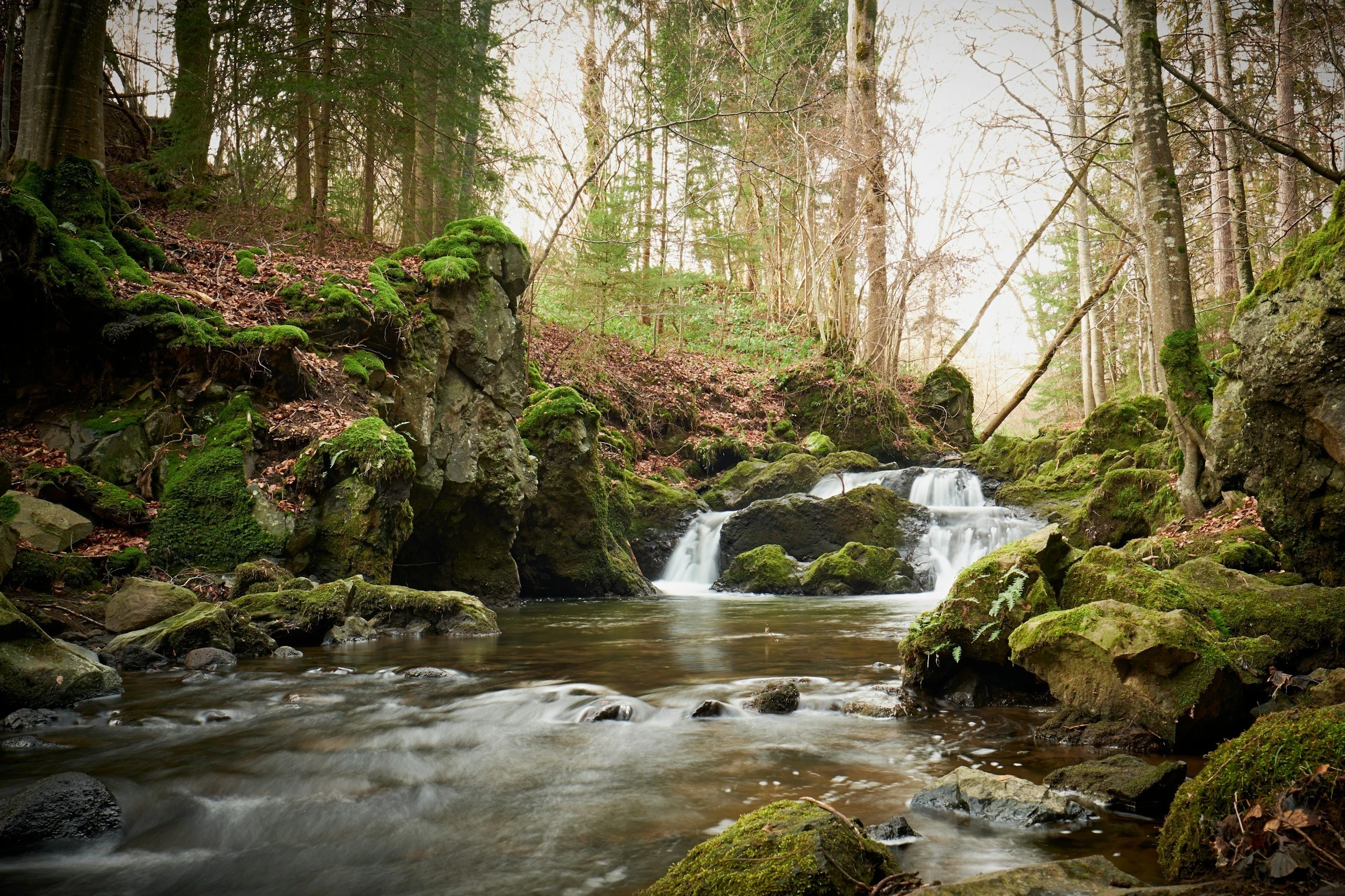
Many of us have heard analogies and statements about the river of life. Just as life, a river has moments of tranquility, moments of going down to a mere trickle, and times of roaring rapids. A river is in constant change, much like our lives are always shifting and changing. As the river of life continues to flow and veer, we have many different reactions. There are times we try desperately to keep the river as it is. We feel it is in perfect balance, and we do not want it to shift and change. Sometimes we build dams in our lives to try to stop the flow of water. Other times, we yell, scream, and thrash to get the water to move more quickly. Sometimes we try to get out of the river completely, sitting on the lonely shores of addiction and dissociation.
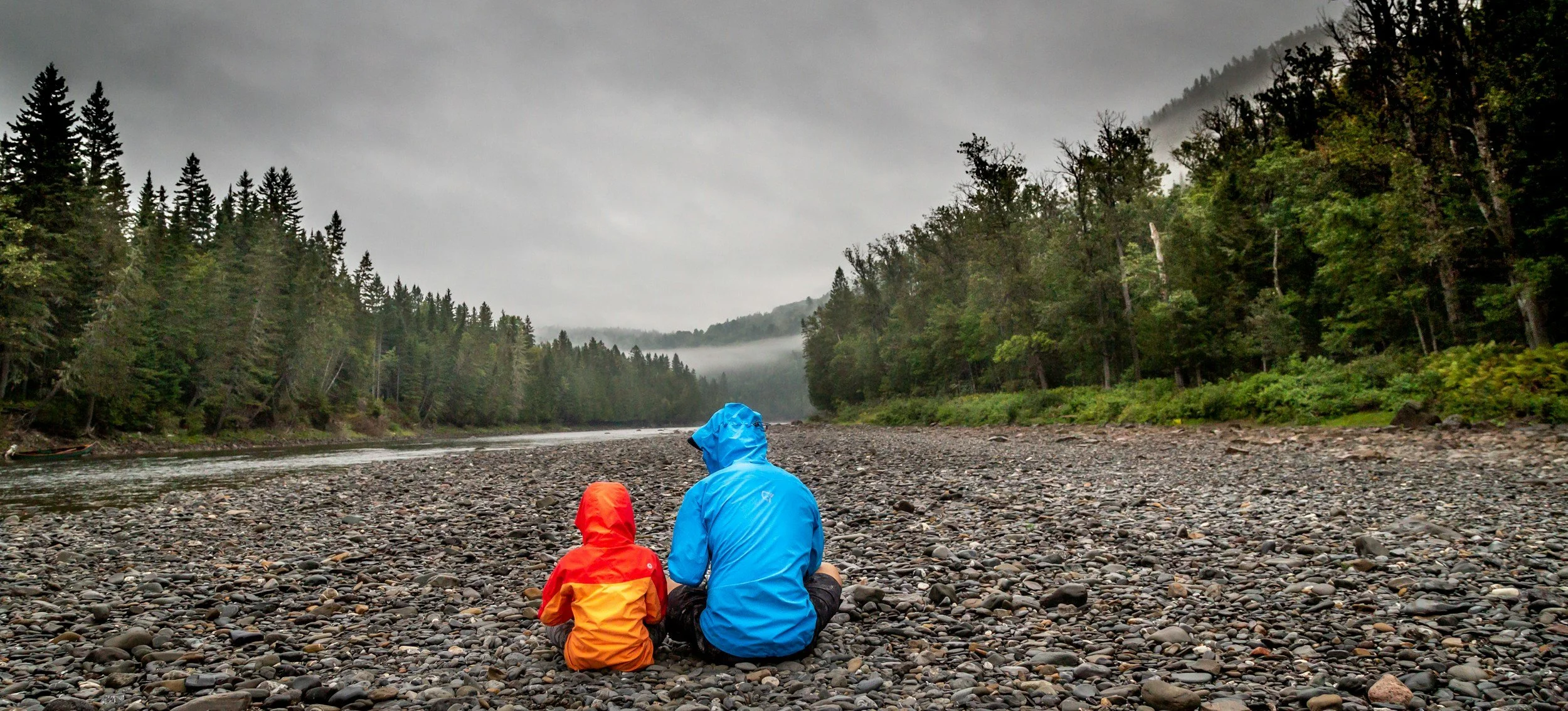
Whatever our brilliant strategy, the water will continue flowing in the way that it is meant to. We can build a dam, but the water will either pool up or find a way around. No matter how much we encourage and try to speed the flow of water, it stays the same, and our energy is wasted. In terms of dissociation and addiction, we may have a brief reprieve from the turbulence or ever-changing nature of the river, but we are then disconnected. We are dry and on land but simply watching life as it passes by, connected with neither pleasure nor pain. We try to make a river anything but a river. We attempt to deny and look away from what the water is and is not doing. The river is the thoughts and emotions we experience on a daily basis. We are not in direct control over the thoughts and emotions we feel, as they flow. Just as Epictetus stated, suffering comes from our reaction and resistance to the river of thoughts and emotions, not the river itself. There is a common phrase, Denial is a river in Egypt. If denial and resistance do not work, then what? This is where acceptance comes in.
Acceptance is an Art

As stated earlier, acceptance is an art and something that takes practice. Acceptance can be viewed as a spectrum. The more the marker is on the side of acceptance versus resistance, the more we are able to take actions and live our lives the way we want, despite the challenges that naturally arise. This does not mean that we are aiming for full acceptance of everything, every hour of every day. That would be unrealistic and, quite frankly, exhausting. However, the greater we can adjust our presence and acceptance of the present moment, the more in tune we will naturally be with how we want to show up in life. Acceptance has many different ways to be applied, but for the purpose of this article, we will look at a tool known as dropping anchor.
Dropping Anchor
Dropping anchor is the practice of finding grounding in the here and now without trying to change anything. For dropping anchor, we will once again call on nature to serve as a metaphor. One of nature’s most unpredictable and uncontrollable processes is weather. Much like our emotions and thoughts, we cannot fully control the weather, and it will come in the state that is meant at that time. So rather than trying to fight the storm, we will drop anchor and ride through and with it, much like a ship out at sea. Another way to view this is seeking shelter at the base of a tree at the top of a mountain. We are not trying to change anything about the storm or present experience; we are using our resourcefulness to ground and anchor in the moment as it passes, not trying to fight or get rid of the storm. Some storms last longer than others, but they will pass. We may feel as though we are in monsoon season; this too shall come to pass.

To begin, you must first identify what is present in your current experience. Are you noticing some anxiousness, agitation, sadness, or calmness? Are your thoughts racing without end? As you tune in to what is happening in this moment, notice how it shows up… There might be tightness, heaviness, and you may be aware of faster breathing. Work on noticing the qualities of the experience. Now, as you are in tune with what emotion or thoughts are present, bring your attention to your body and how it is positioned. Notice if you are sitting in a chair, the support that the chair is providing, or if you are standing, notice the ground at your feet. Notice what it is like to sit and have your weight supported. If physically available to you, push your feet into the floor and really connect with the firmness of the ground. Connect with the earth and the sense of stillness. Now, bring your awareness back to the present feeling or experience you started with. Notice the tightness or tension that you started with while remaining connected to your body and the stillness that your feet have found with the ground beneath you. Checking back in fully with the emotions and thoughts that you started with.

Now, bring your attention to your sight. Really take in the room around you, trying to pay attention to things you may not have seen before. Put all of your awareness into your sense of sight, take a moment to pause reading while taking in the room around you with your vision… Noticing what it is like to change your awareness to sight. As you connect with the room around you, bring your attention back to the original experience and feeling. Coming back to the tension and discomfort, notice how it manifests for you in this moment. Lastly, while maintaining focus on the feelings or thoughts, move your body. Stretch your arms above your head or to the side. Move your hips and legs. Notice that despite the presence of your thoughts and emotions, you can move your body that contains them.
Reflection
Below are some questions that may help you reflect on this experience.

What did you notice as you shifted your attention?
How might dropping anchor affect your ability to act while experiencing an emotion or string of thoughts?
What was it like to notice an emotion or thought without trying to change or avoid it?
Dropping anchor is one of many tools used to practice the art of acceptance. It can be a useful tool to practice throughout the day, especially in moments of calm, as it builds the practice of meeting the moment where it is in relatively clear skies. See what arises in your experience as you practice acceptance. These concepts and skills are from a modality called Acceptance Commitment Therapy (ACT), which is the process of working towards acceptance of our thoughts and experiences that naturally arise to make room for living the life you want to live.
In conclusion, life has many moments of joy and also many moments of challenge. It is a common reaction to resist the natural flow of life, but this ultimately leads to more suffering. Practicing the art of acceptance can help you live a more enriched life, taking action despite challenges rather than being completely stifled by them. Dropping anchor is one of many tools to connect with the present moment, working on accepting what is there while working to remain aware and grounded.